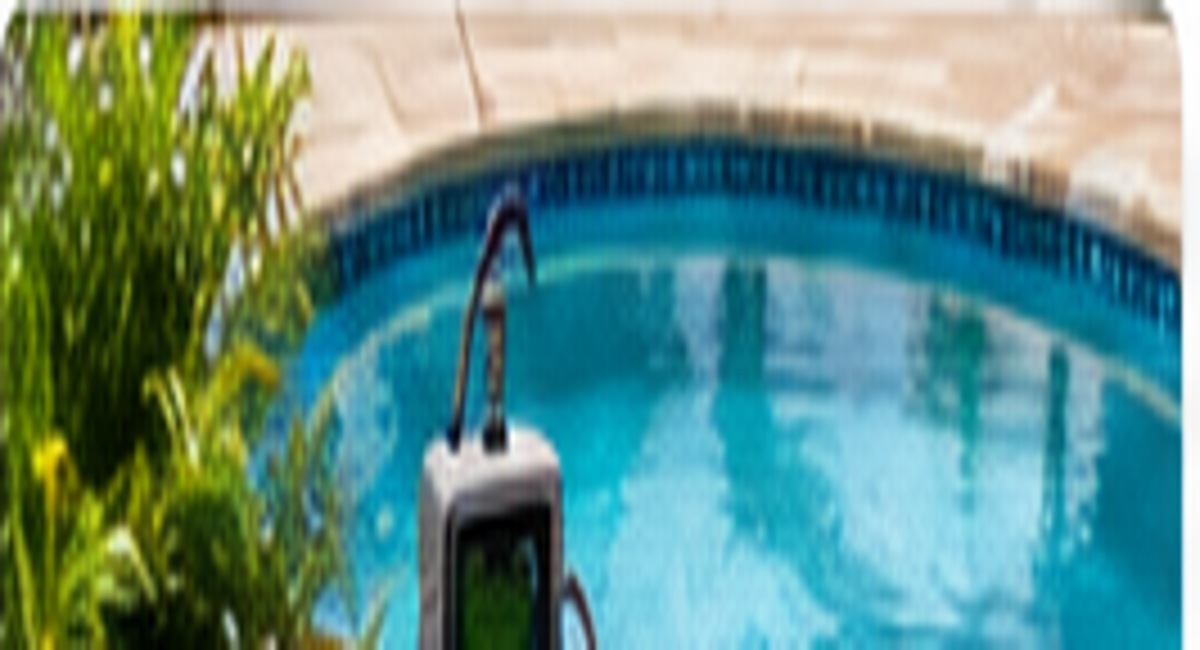
Quick answer: Pool water loss can result from evaporation, splash-out, backwashing, equipment operation, plumbing leaks or structural leaks. A controlled water-loss comparison can help establish whether the drop exceeds normal conditions, after which the pool and plumbing system can be investigated to locate the source.
Quick answer: Use the symptoms and property context in this guide to narrow the likely leak category, then confirm the physical source with an appropriate professional inspection. The exact method depends on the system and conditions at the property.
Written by the DeSoto Leak Detection Editorial TeamReviewed for clarity, safety, local relevance, and source attribution.
Next useful step: pool & spa leak detection can help when the symptom points to that system, while tracer gas line testing covers a different diagnostic path. For local context, see leak detection in Mantlebrook. For the broader topic, return to the DeSoto leak detection homepage.
Pool leaks have a different diagnostic path from household plumbing leaks because the system includes a vessel, circulation equipment, drains, returns, fittings and buried plumbing. A falling water level is the symptom; the source may be in the structure or in the plumbing outside the pool shell.
For local context, see
pool and spa leak detection. For area-specific information, see
leak detection in Trees Farm. For the broader topic, visit our
DeSoto leak detection resource.
Pool water-loss clues
Look for changes beyond the water level itself.
- Water loss appears to exceed what you normally observe from evaporation and ordinary use.
- Water level changes continue when the circulation system is not operating.
- The loss is concentrated around a specific fitting, return, light niche or equipment connection.
- The pool area shows persistent dampness outside the expected splash zone.
- A prior repair reduced the loss temporarily but the problem returned.
How a professional evaluation is typically approached
Pool leak investigations often compare the vessel and plumbing system separately.
01
Establish the lossCompare water-level behavior under controlled conditions as appropriate.
02
Inspect visible componentsCheck equipment connections, fittings and obvious sources of water loss.
03
Separate structural and plumbing pathsDetermine whether the symptom points toward the pool shell or circulation/underground piping.
04
Test the suspected systemUse appropriate pressure, dye, acoustic or other pool-specific methods based on the provider's evaluation.
Why evaporation should be considered first
Every pool loses some water to evaporation and normal use. Weather, temperature, wind, humidity and pool activity affect the rate. The purpose of a controlled comparison is not to produce a universal evaporation number, but to establish whether the observed loss is meaningfully different from normal conditions for that pool.
Once abnormal loss is established, the next decision is whether the pool shell or the plumbing circuit is the more likely source. That distinction changes what should be tested and what repair work may be required.
What to have ready before you call
Provide:
- Approximate daily or weekly water loss
- Whether the pump was running during measurement
- Recent pool maintenance or equipment changes
- Where dampness appears outside the pool
- Any known cracks or fitting problems
Practical DeSoto context and next-step guidance
For a DeSoto property, the useful starting point is the pattern of the symptom rather than an assumption about the cause. With water level change, equipment behavior, autofill systems, shell penetrations, and plumbing lines, the same visible clue can have different explanations depending on where water, air, pressure, or moisture is traveling. A careful source investigation therefore starts with observations that can be repeated and compared: when the symptom appears, whether it changes with water use, whether weather or HVAC operation matters, and whether the affected area is close to a known plumbing route.
A practical way to think about a pool losing water is to separate three questions: what is happening, where is it happening, and what evidence can narrow the source. That sequence helps avoid premature repair assumptions. For example, a stain, wet patch, pressure change, sound, or water-bill increase is evidence of a symptom, not automatically proof of the exact failed component. A provider may use one method to narrow the area and another to confirm the source before recommending access or repair.
The diagnostic method should match the property and the symptom. Identifying patterns that suggest a pool structure or plumbing leak can involve visual inspection first, followed by targeted use of moisture measurements, thermal imaging, acoustic equipment, pressure observations, or another specialized technique when appropriate. No single instrument produces perfect results in every building. Surfaces, insulation, temperature, pipe material, water pressure, accessibility, and the timing of the leak can all affect what a test can show. Good source location is therefore based on converging clues rather than a single reading.
Before a call, write down the exact room or outdoor area involved, what the symptom looks or sounds like, when it began, and whether it changes after showers, fixture use, irrigation, HVAC operation, or rainfall. Take a few clear photos without moving damaged materials unnecessarily. If the issue is active, note whether water is spreading, pooling, staining a ceiling, or changing the appearance of flooring or walls. Those details give the referring service and the independent provider a more useful starting point.
Because this website serves DeSoto, TX, the local page and the service page should work together rather than repeating the same paragraph. A neighborhood page adds location context, while the service page explains the diagnostic topic in depth. From an SEO standpoint, this article supports that structure by answering a specific informational question and then directing readers to the relevant leak-detection service when they need a professional next step.
The most useful next step is not always immediate repair. In many situations the priority is first to establish whether there is an active leak, then identify the source, and only then decide what repair or restoration work is justified. That order can reduce unnecessary demolition and helps the property owner understand what was actually found. For a referral service, the call is the connection point: the customer describes the issue, the request is matched to an appropriate local professional when available, and the provider determines the inspection, testing, pricing, and repair details.
Useful details to have ready include: water-level loss; autofill behavior; equipment pad moisture; plumbing and shell areas.
Common questions
How do I know if pool water loss is a leak?
Compare the loss under controlled conditions and consider normal evaporation and use. A persistent unexplained drop deserves investigation.
Can a pool leak be underground?
Yes. Pool circulation plumbing can run underground between the equipment area and the pool.
Can a dye test find every pool leak?
Dye can help with certain localized flow paths, but it is not a universal test for every pool plumbing or structural leak.
Should the pump be on or off when testing?
It depends on what part of the system is being evaluated. The provider will choose the appropriate test conditions.
How this guide was preparedPractical, sourced and transparent
We separate what can be explained from general guidance, what depends on the property, and what must be confirmed by an independent provider or public authority.
Clear authorship
Prepared by the DeSoto Leak Detection Editorial Team with a reader-first editorial process.
Claim discipline
No fabricated reviews, licenses, awards, pricing promises, response times or field-work claims.
Primary-source links
Safety and utility topics point readers to official sources when a public authority is the right reference.
Sources and further reading
Need help with a suspected leak?
Call and explain the symptom, property type and ZIP. This referral service can help connect you with an appropriate local professional.