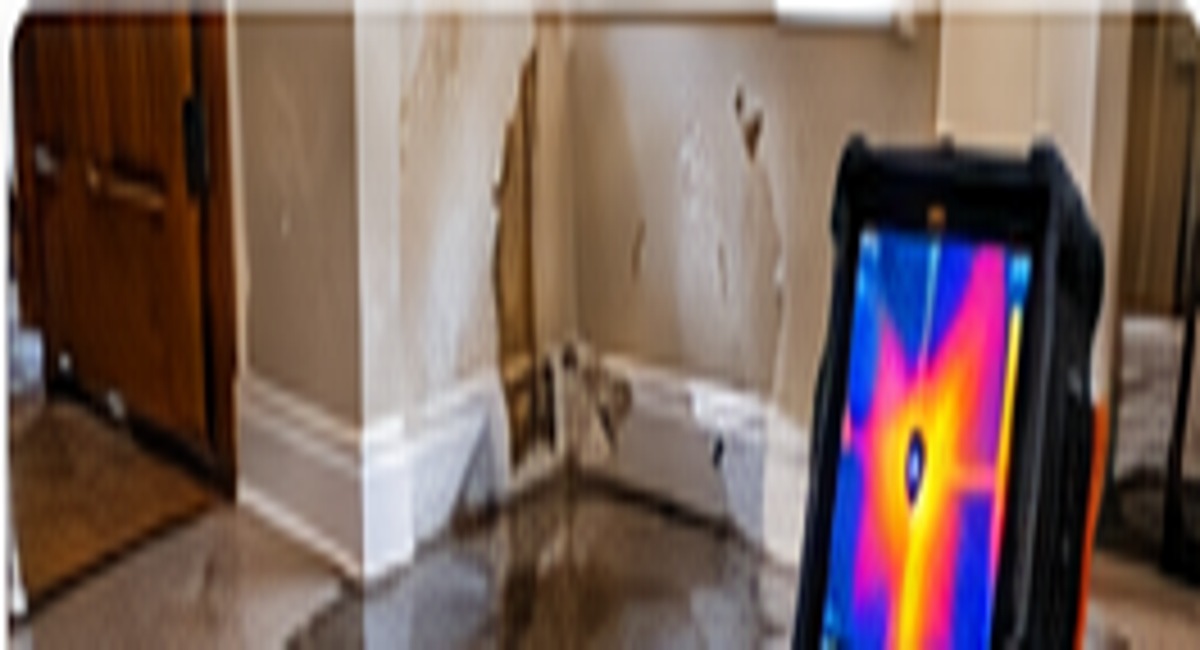
Quick answer: Leak detection is the diagnostic process used to locate or characterize a suspected leak. Leak repair is the physical work used to stop or correct the source. Some visible leaks need ordinary plumbing repair, while hidden leaks may require detection first so the repair team knows where to access the system.
Quick answer: Use the symptoms and property context in this guide to narrow the likely leak category, then confirm the physical source with an appropriate professional inspection. The exact method depends on the system and conditions at the property.
Written by the DeSoto Leak Detection Editorial TeamReviewed for clarity, safety, local relevance, and source attribution.
Next useful step: slab leak detection can help when the symptom points to that system, while interior wall & ceiling leak detection covers a different diagnostic path. For local context, see leak detection in Eagle Point Estates. For the broader topic, return to the DeSoto leak detection homepage.
The terms are often used together, but they answer different questions. Detection asks, “Where is the problem?” Repair asks, “How should it be fixed?” Keeping those stages separate is especially helpful with slab, underground, wall, ceiling and pool leaks where the visible symptom may not equal the leak location.
For local context, see
underground leak detection. For area-specific information, see
leak detection in Candle Glow. For the broader topic, visit our
DeSoto leak detection resource.
When detection may come before repair
Source location becomes important when access is difficult or the symptom does not reveal the cause.
- A water stain exists but the pipe or fixture causing it is not visible.
- Water is being lost below a floor or outside the building where direct observation is limited.
- A previous repair stopped the symptom temporarily but moisture returned.
- A large finished area would be damaged by opening materials in the wrong place.
- A commercial property needs a targeted plan to minimize disruption.
How a professional evaluation is typically approached
A staged process can reduce unnecessary work.
01
Identify the symptomDescribe what the property is showing and what systems may be involved.
02
Locate or narrow the sourceUse targeted diagnostic methods to reduce uncertainty.
03
Plan repair accessDecide what surface or component needs to be opened or isolated.
04
Repair and verifyThe independent service provider performs the repair and checks the result as appropriate.
Why a good diagnosis changes the repair conversation
Suppose a ceiling stain is visible below a bathroom. The stain does not prove whether the problem is a supply line, drain, shower assembly or water entering from another location. Opening drywall without first narrowing the source can create additional restoration work without solving the leak.
In a referral model, this distinction also protects accuracy. DeSoto Leak Detection can help connect a customer with a local professional, but the independent provider handles the physical work, technical judgment, pricing and repair responsibilities.
What to have ready before you call
Explain what has already happened:
- What was repaired, if anything
- Whether the symptom returned after a repair
- Which surfaces are visibly damaged
- Any meter, pressure or water-loss clues
- Whether access restrictions or business hours affect the property
Practical DeSoto context and next-step guidance
For a DeSoto property, the useful starting point is the pattern of the symptom rather than an assumption about the cause. With source identification, repair scope, access decisions, and provider handoff, the same visible clue can have different explanations depending on where water, air, pressure, or moisture is traveling. A careful source investigation therefore starts with observations that can be repeated and compared: when the symptom appears, whether it changes with water use, whether weather or HVAC operation matters, and whether the affected area is close to a known plumbing route.
A practical way to think about leak detection versus leak repair is to separate three questions: what is happening, where is it happening, and what evidence can narrow the source. That sequence helps avoid premature repair assumptions. For example, a stain, wet patch, pressure change, sound, or water-bill increase is evidence of a symptom, not automatically proof of the exact failed component. A provider may use one method to narrow the area and another to confirm the source before recommending access or repair.
The diagnostic method should match the property and the symptom. Explaining why locating a leak and fixing a leak are separate jobs can involve visual inspection first, followed by targeted use of moisture measurements, thermal imaging, acoustic equipment, pressure observations, or another specialized technique when appropriate. No single instrument produces perfect results in every building. Surfaces, insulation, temperature, pipe material, water pressure, accessibility, and the timing of the leak can all affect what a test can show. Good source location is therefore based on converging clues rather than a single reading.
Before a call, write down the exact room or outdoor area involved, what the symptom looks or sounds like, when it began, and whether it changes after showers, fixture use, irrigation, HVAC operation, or rainfall. Take a few clear photos without moving damaged materials unnecessarily. If the issue is active, note whether water is spreading, pooling, staining a ceiling, or changing the appearance of flooring or walls. Those details give the referring service and the independent provider a more useful starting point.
Because this website serves DeSoto, TX, the local page and the service page should work together rather than repeating the same paragraph. A neighborhood page adds location context, while the service page explains the diagnostic topic in depth. From an SEO standpoint, this article supports that structure by answering a specific informational question and then directing readers to the relevant leak-detection service when they need a professional next step.
The most useful next step is not always immediate repair. In many situations the priority is first to establish whether there is an active leak, then identify the source, and only then decide what repair or restoration work is justified. That order can reduce unnecessary demolition and helps the property owner understand what was actually found. For a referral service, the call is the connection point: the customer describes the issue, the request is matched to an appropriate local professional when available, and the provider determines the inspection, testing, pricing, and repair details.
Common questions
Can a plumber do both leak detection and repair?
Some plumbing professionals offer both services. The key distinction is between the diagnostic step and the repair step, regardless of who performs them.
Is leak detection a separate trade?
It can be a specialized service area, and many plumbing or restoration providers also have detection capabilities. Verify the specific provider's scope and credentials directly with them.
Does every hidden leak require specialized equipment?
No. Some concealed sources become apparent through ordinary inspection. Specialized tools are most useful when the source remains uncertain or difficult to access.
Who should pay for repairs after detection?
The independent provider who accepts the job sets the repair scope, price and terms. The referral website does not establish those terms unless explicitly stated in a separate agreement.
How this guide was preparedPractical, sourced and transparent
We separate what can be explained from general guidance, what depends on the property, and what must be confirmed by an independent provider or public authority.
Clear authorship
Prepared by the DeSoto Leak Detection Editorial Team with a reader-first editorial process.
Claim discipline
No fabricated reviews, licenses, awards, pricing promises, response times or field-work claims.
Primary-source links
Safety and utility topics point readers to official sources when a public authority is the right reference.
Sources and further reading
Need help with a suspected leak?
Call and explain the symptom, property type and ZIP. This referral service can help connect you with an appropriate local professional.