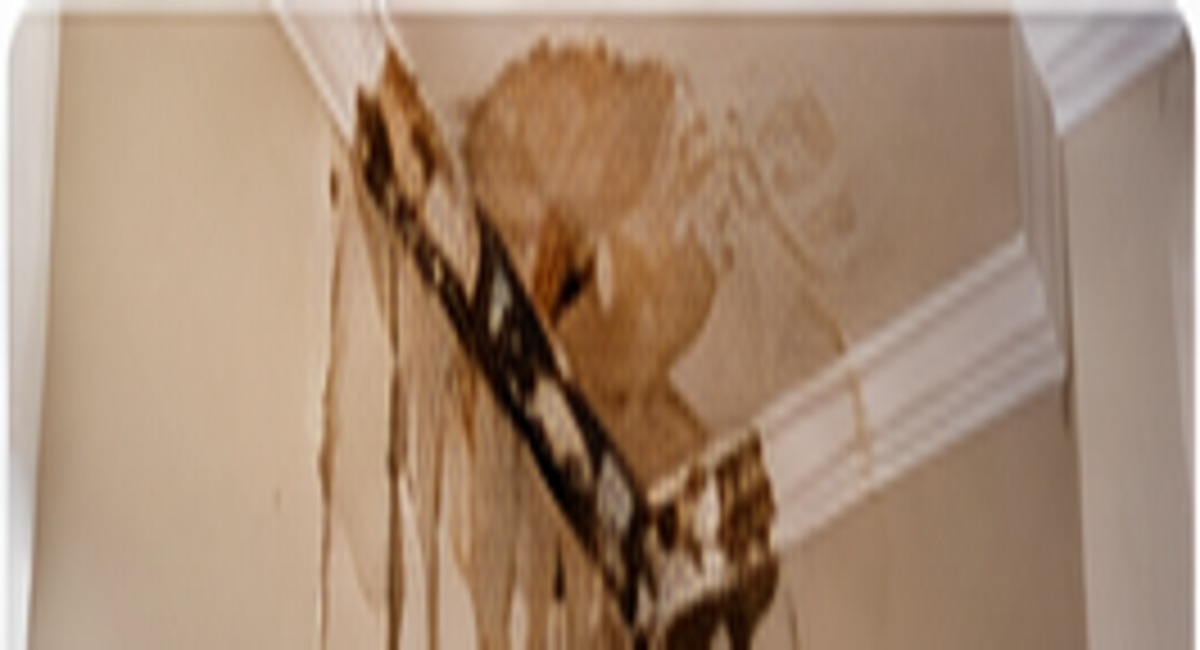
Quick answer: Possible signs of a leak behind a wall include recurring stains, bubbling paint, swollen drywall, damp baseboards, musty conditions, unusual temperature changes and persistent moisture. A visible mark shows where moisture appeared, not necessarily where the pipe or fitting is leaking.
Quick answer: Use the symptoms and property context in this guide to narrow the likely leak category, then confirm the physical source with an appropriate professional inspection. The exact method depends on the system and conditions at the property.
Written by the DeSoto Leak Detection Editorial TeamReviewed for clarity, safety, local relevance, and source attribution.
Next useful step: interior wall & ceiling leak detection can help when the symptom points to that system, while thermal imaging & moisture scans covers a different diagnostic path. For local context, see leak detection in Gillespie Acres. For the broader topic, return to the DeSoto leak detection homepage.
A wall can hide both the plumbing source and the path water takes before it becomes visible. That is why a stain beside a bathroom or kitchen does not automatically identify the leaking component. The useful sequence is to document the symptom, check obvious fixtures and then use appropriate diagnostic methods when the source remains concealed.
Wall-leak signs to take seriously
The pattern is especially informative when several clues occur together.
- Paint or drywall repeatedly darkens in the same location.
- Baseboards or trim swell, soften or separate from the wall.
- The area develops an unusual musty condition or remains damp after surface drying.
- Moisture appears near a plumbing fixture but the fixture itself looks dry.
- The wall changes after showering, appliance use or another repeatable water event.
How a professional evaluation is typically approached
The source is narrowed by comparing the visible damage with the plumbing path behind it.
01
Document the finishPhotograph stains, bubbling, swelling and the exact affected area.
02
Check nearby sourcesInspect visible fixtures, valves and connections before assuming a concealed pipe is leaking.
03
Scan or measureThermal imaging or moisture readings may help identify a stronger moisture pattern where conditions support it.
04
Locate before openingUse the available evidence to narrow the likely source before deciding what access is required.
Why a wall stain is not the same as a pipe location
Water can move downward or sideways inside a wall cavity before appearing at the surface. Gravity, framing, insulation and finish materials can all change where the visible mark forms. A careful inspection therefore treats the stain as a clue about the path, not a guaranteed point of origin.
A professional can also consider intermittent leaks. A pipe may only leak during a fixture cycle or under pressure, so a dry wall at the moment of inspection does not necessarily rule out a concealed problem.
What to have ready before you call
Share:
- The exact wall and room
- What is on the other side of the wall
- What water use appears to trigger the symptom
- Whether paint or drywall has already been repaired
- Any meter or moisture observations
Practical DeSoto context and next-step guidance
For a DeSoto property, the useful starting point is the pattern of the symptom rather than an assumption about the cause. With staining, moisture, temperature differences, plumbing routes, and targeted access, the same visible clue can have different explanations depending on where water, air, pressure, or moisture is traveling. A careful source investigation therefore starts with observations that can be repeated and compared: when the symptom appears, whether it changes with water use, whether weather or HVAC operation matters, and whether the affected area is close to a known plumbing route.
A practical way to think about water leaks behind walls is to separate three questions: what is happening, where is it happening, and what evidence can narrow the source. That sequence helps avoid premature repair assumptions. For example, a stain, wet patch, pressure change, sound, or water-bill increase is evidence of a symptom, not automatically proof of the exact failed component. A provider may use one method to narrow the area and another to confirm the source before recommending access or repair.
The diagnostic method should match the property and the symptom. Finding clues without immediately opening large sections of drywall can involve visual inspection first, followed by targeted use of moisture measurements, thermal imaging, acoustic equipment, pressure observations, or another specialized technique when appropriate. No single instrument produces perfect results in every building. Surfaces, insulation, temperature, pipe material, water pressure, accessibility, and the timing of the leak can all affect what a test can show. Good source location is therefore based on converging clues rather than a single reading.
Before a call, write down the exact room or outdoor area involved, what the symptom looks or sounds like, when it began, and whether it changes after showers, fixture use, irrigation, HVAC operation, or rainfall. Take a few clear photos without moving damaged materials unnecessarily. If the issue is active, note whether water is spreading, pooling, staining a ceiling, or changing the appearance of flooring or walls. Those details give the referring service and the independent provider a more useful starting point.
Because this website serves DeSoto, TX, the local page and the service page should work together rather than repeating the same paragraph. A neighborhood page adds location context, while the service page explains the diagnostic topic in depth. From an SEO standpoint, this article supports that structure by answering a specific informational question and then directing readers to the relevant leak-detection service when they need a professional next step.
The most useful next step is not always immediate repair. In many situations the priority is first to establish whether there is an active leak, then identify the source, and only then decide what repair or restoration work is justified. That order can reduce unnecessary demolition and helps the property owner understand what was actually found. For a referral service, the call is the connection point: the customer describes the issue, the request is matched to an appropriate local professional when available, and the provider determines the inspection, testing, pricing, and repair details.
Common questions
Can you find a leak behind drywall without cutting it open?
Many diagnostic methods are intended to narrow hidden moisture or leak sources before unnecessary demolition. Access may still be required for repair.
Can a wall stain come from a roof leak?
Yes. Building-envelope leaks can travel inside wall cavities. The inspection should consider plumbing and exterior water intrusion rather than assuming one source.
How long can a wall leak stay hidden?
The duration varies widely. Some leaks produce an immediate stain while intermittent or slow moisture can remain less obvious.
Should I paint over a water stain?
Not until the source is understood. A cosmetic fix can hide a recurring symptom without stopping the underlying moisture.
How this guide was preparedPractical, sourced and transparent
We separate what can be explained from general guidance, what depends on the property, and what must be confirmed by an independent provider or public authority.
Clear authorship
Prepared by the DeSoto Leak Detection Editorial Team with a reader-first editorial process.
Claim discipline
No fabricated reviews, licenses, awards, pricing promises, response times or field-work claims.
Primary-source links
Safety and utility topics point readers to official sources when a public authority is the right reference.
Sources and further reading
Need help with a suspected leak?
Call and explain the symptom, property type and ZIP. This referral service can help connect you with an appropriate local professional.